
Inner Vision (Third Eye) Kriya
A guided Chakra-discipline.
Faith is not required when seeing begins. The Agya centre is not a place for fantasy, psychic display, or dramatic activation; it is a disciplined doorway into steadier attention, inner stillness, and clearer perception. Inner Vision Kriya is a guided one-to-one spiritual alignment designed to refine awareness, calm mental noise, and prepare the seeker for deeper inner seeing with clarity, responsibility, and grounded practice.
The Discipline of Inner Vision
Inner Vision Kriya is a disciplined refinement of attention centred on the Agya, often described in yogic language as the Third Eye. As awareness is gently drawn away from scattered sensory impressions and toward this inner centre, the mind begins to settle, reactions soften, and observation becomes clearer. The practice develops steady inner perception through silence, responsibility, and disciplined attention rather than through dramatic experience. Faith is not demanded; attention is trained.
Inner Vision Kriya may include Agya-centred Kriya Sadhna, disciplined breath-awareness, and where suitable, preparatory mantra-based inner work; however, it is never treated as casual Mantra Sadhna, instant activation, or a shortcut to visions.

What Inner Vision Supports
Do I Need Faith to Begin?
No. Inner Vision Kriya does not ask you to believe before you begin. It is rooted in the Yogic and Sanatan knowledge tradition, but its first requirement is not religious identity - it is sincerity, steadiness, and disciplined attention. The Agya-centred path works through observation, breath-awareness, inner stillness, and guided practice. Whether you approach it as a seeker, a student of consciousness, or simply as someone ready to look within, faith is not demanded; attention is trained.
Faith is not required. Attention is required.
Guided With Care
Inner Vision Kriya works with attention, breath-awareness, inner stillness, and Agya-centred perception. It should never be approached as forceful activation, psychic experimentation, or curiosity-driven stimulation.
Before any practice is suggested, your health background, emotional steadiness, mental pressure, nervous-system sensitivity, horoscope, and readiness are considered with care. If serious eye strain, neurological sensitivity, unmanaged hypertension, acute anxiety, disturbed sleep, or psychological instability is present, the practice may need moderation or may not be suitable at that stage.
The purpose is simple: clarity without strain, depth without force, and inner awareness without disturbance.
Inner Vision Kriya is not a ready-made technique given to everyone in the same way. Each seeker has a different temperament, attention-capacity, emotional rhythm, spiritual inclination, and level of readiness.
Your concern is first understood carefully. Where suitable, Agya Kriya Deeksha, preparatory Mantra Sadhana, or a personalised sacred inner practice may be considered only after readiness, health background, emotional steadiness, and horoscope are reviewed with care.
The focus remains on steady attention, refined perception, inner silence, and responsible spiritual growth. Faith is not demanded; attention is trained. This is not a general Mantra Deeksha or publicly shareable sadhana. The Agya-centred Kriya, mantra support if any, pace, precautions, and practice discipline must be personally aligned to the seeker.
The Process
Readiness & Inner Orientation
Inner Vision Kriya does not begin with instant initiation. The seeker is first understood through personal discussion, health background, emotional steadiness, attention-capacity, horoscope, and inner readiness.
This stage may include preparatory guidance in breath-awareness, grounding, attention discipline, sankalpa, and clarification of expectations. The purpose is not excitement or mystical stimulation; it is preparation with steadiness, humility, and maturity.
One-to-One Inner Vision Deeksha
When readiness is established, Inner Vision Deeksha is offered through personal one-to-one presence. Where suitable, supportive mantra discipline or Agya-oriented sadhna may be included, but the focus remains on attention, breath-awareness, subtle focus, and responsible inner perception.
The timing may also be aligned with a suitable shubh tithi or spiritually appropriate day, where relevant. There is no promise of visions, powers, or forced opening. The process is quiet, precise, inward, and guided with responsibility.
Practice & Inner Integration
After Deeksha, the seeker follows regular measured practice with care.
Over time, awareness becomes less scattered, observation deepens, reactivity softens, and discernment begins to mature.
The aim is not psychic display or spiritual ambition, but self-governed clarity, inner steadiness, and refined perception. Inner Vision Kriya unfolds through discipline, patience, grounding, and sincere integration into daily life.
Beyond Belief, Toward Inner Seeing
The Third Eye is not a symbol of fantasy or supernatural display. In the yogic view, the Agya centre represents the refinement of attention, perception, and inner command. When the mind becomes quieter, awareness begins to observe rather than react, and a deeper intelligence starts to reveal itself from within. Inner Vision Kriya does not ask the seeker to believe first. It invites the seeker to train attention, steady the breath, refine perception, and discover what becomes visible when inner noise begins to settle.
Guided by the Master
Inner Vision Kriya is not a casual technique to be copied from online instructions. It works with attention, breath-awareness, subtle focus, nervous-system steadiness, and Agya-centred perception. If approached forcefully or with spiritual ambition, such practices may create imagination, restlessness, or pressure instead of clarity.
For this reason, the seeker is first understood with care. Health background, emotional steadiness, attention-capacity, horoscope, inner readiness, and spiritual temperament are reviewed before deeper guidance is suggested.
The role of the Master is not to create dependence or promise extraordinary experiences. It is to protect the sanctity of the process, guide the seeker with discipline, and ensure that inner attention develops with humility, steadiness, and grounding.
Inner Vision Kriya is meant for those who seek depth with responsibility. The aim is not visions, powers, or dramatic awakening, but balanced refinement of attention, clearer perception, and direct inner seeing through disciplined practice.
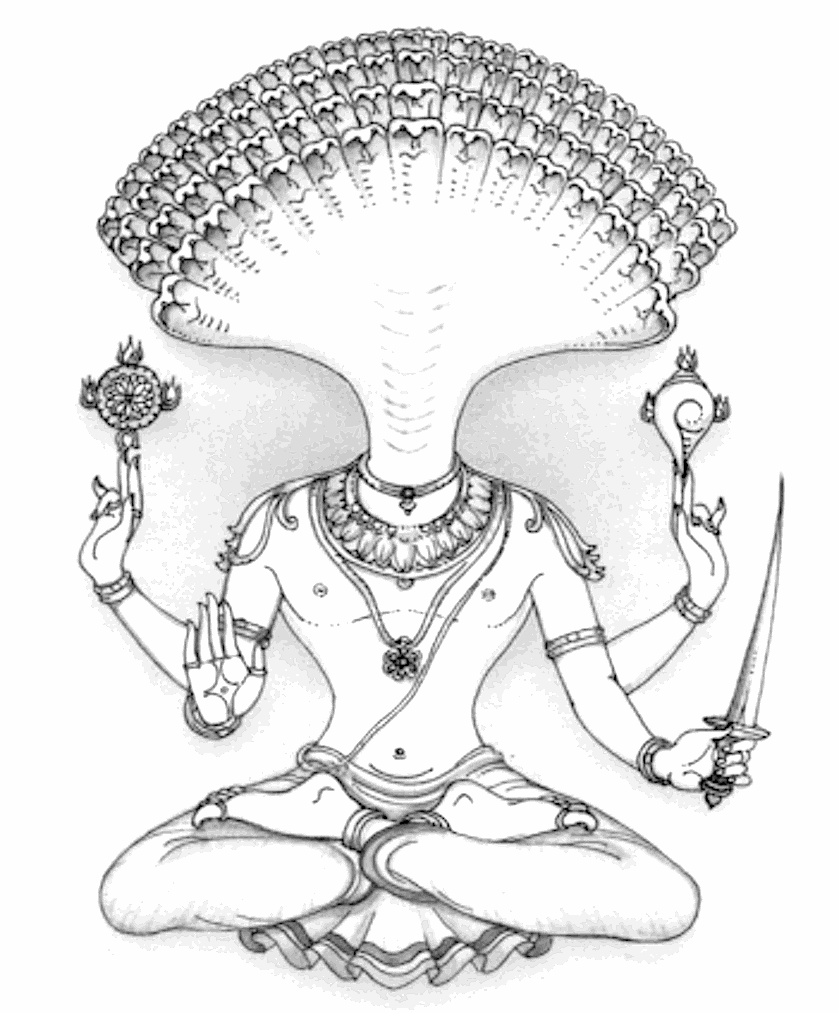
Inner Vision Kriya Deeksha
When Inner Clarity Begins
Inner Vision Kriya unfolds through disciplined refinement, not intensity. Some seekers may first notice calmer attention, reduced mental noise, deeper observation, or greater steadiness in response. For others, the shift is gradual. The pace depends on readiness, health, karmic impressions, and consistency of practice.
Refinement, Not Sudden Opening
The Third Eye is not forced open. It becomes clearer as attention steadies, breath softens, reactions reduce, and perception matures. This path does not promise visions or dramatic experiences. It supports gradual inner clarity, grounded awareness, and refined seeing through sincere practice.
FAQs
Will Inner Vision Kriya open my Third Eye immediately?
Is this practice safe?
Will I experience visions or supernatural phenomena?
Is this suitable for beginners?
Is Inner Vision Kriya the same as Mantra Deeksha?
If you feel inwardly ready to approach the Agya path with sincerity, steadiness, and respectful guidance, we invite you to connect in confidence.
Meet The Master
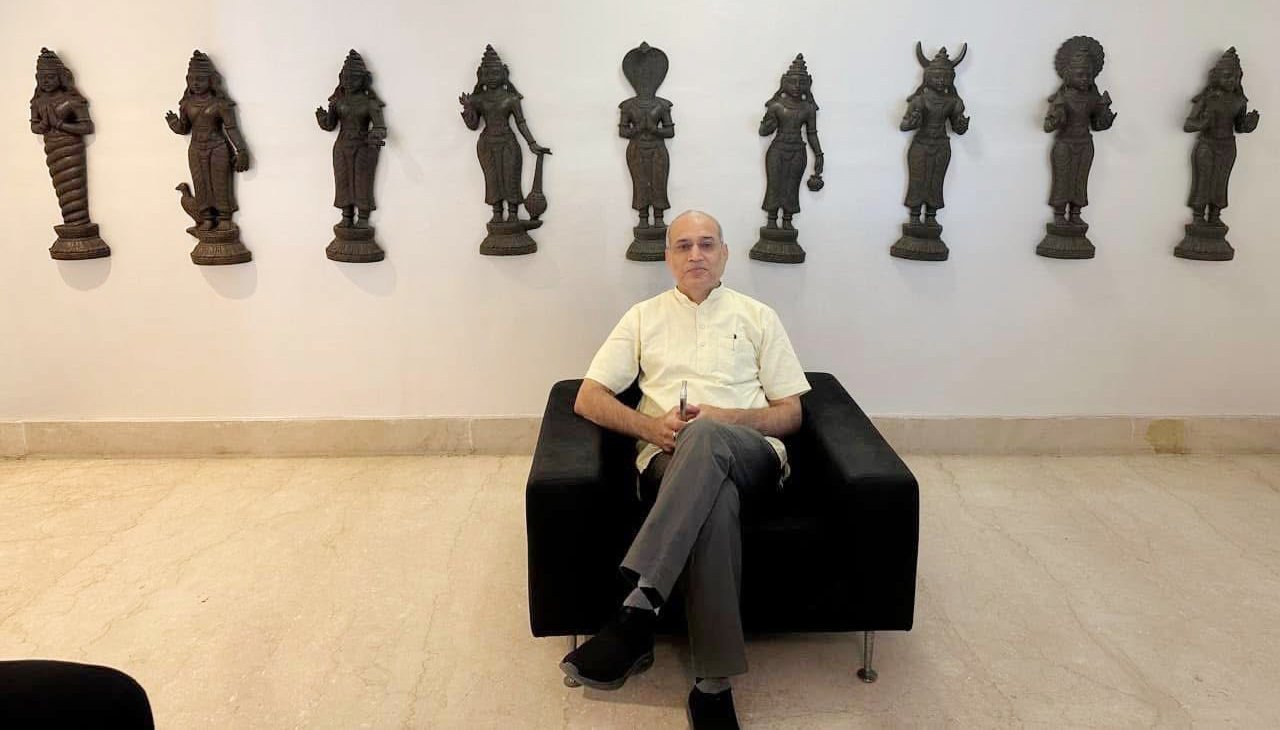
Ashok Angrish, an initiated Kriya Yogi and practitioner of Vedic Astrology, Kundalini-Tantra, mantra-based spiritual disciplines, and Patanjali Yoga Sutra-inspired sadhana, transitioned from a distinguished bureaucratic career to a life of spiritual service. He studied astrology and Paurohitya at Shri Lal Bahadur Shastri Rashtriya Sanskrit Vidyapeeth, New Delhi, in 2007.
His spiritual orientation is also deeply informed by the discipline of Patanjali Yoga Sutras, where attention, restraint, purification, inner observation, and steady practice are treated as foundations of higher perception. From the discipline of Yoga at an early age to deeper initiations in Kriya Yoga under the lineage of Mahavatar Babaji, Shri Yukteswar Ji, Shri Lahiri Mahasaya Ji, and Paramahansa Yogananda Ji, his path has been shaped by Masters, scriptures, silence, and sustained inner practice.
Over the years, his work with mantra, sadhana, astrology, and subtle energy practices has deepened into a careful, responsible approach to spiritual guidance where mantra is not treated as casual sound, but as sacred vibration requiring preparation, discipline, and reverence.
His approach blends classical precision with spiritual sensitivity, helping seekers move toward clarity, inner steadiness, emotional refinement, and conscious alignment. His approach remains measured, discreet, and responsibility-driven. He does not position himself as a miracle worker. He stands as a guide. In his view, true initiation does not create dependence. It restores inner alignment. Initiation does not give power. It awakens what was already yours.